The anion gap is a practical measure for assessing acid-base imbalances, but its result is not constant. It can change with the lab method, the electrolyte analyzer, and the specific measurement technique used by the laboratory. That is the reason the same blood sample can produce slightly different answers depending on the system, the specimen type, and the laboratory reporting standards. An Anion Gap Calculator is useful, but it should be used with attention of analytical variation and the local reference interval.
In real-world serum chemistry, the anion gap is not just a measurement. It reflects sodium concentration, serum chloride, and serum bicarbonate, all of which can change with instrument calibration, assay design, and preanalytic factors. Because of this, the result may be method-dependent, and the clinical significance depends on whether the change alters interpretation in the context of the patient’s acid-base status.
What Is the Anion Gap and How Is It Computed?
The anion gap is a derived value that estimates the difference between measured cations and anions in blood. The standard calculation formula is:
Anion gap = serum sodium − (serum chloride + serum bicarbonate)
This formula uses serum sodium, serum chloride, and serum bicarbonate, usually reported in mEq/L. Some laboratories also calculate a version that includes potassium, but the sodium-based version is the most common in clinical practice and in most Anion Gap Calculator tools.
The result is interpreted as a rough estimate of unmeasured ions. A higher value can suggest accumulation of acids, while a lower value may reflect low albumin, lab-related bias, or other factors. Because the anion gap is calculated rather than directly measured, any small shift in one input can change the output. That makes the calculation sensitive to both biological variation and analytical variation.
The key point is that the anion gap is not a standalone diagnosis. It is a screening and interpretation tool that supports evaluation of acid-base disorders, especially when paired with other serum chemistry results and the clinical picture.
Can the Anion Gap Change With Lab Method?
Yes, the anion gap can differ with lab method. Different laboratories may use distinct analyzers, different electrolyte measurement techniques, and different reporting conventions. Even if the same blood sample is tested, small differences in sodium, chloride, or bicarbonate can produce a different calculated gap.
The most important source of variation is the electrolyte analyzer and how it measures ions. Modern instruments are exact, but not identical. That means the same patient can have mildly different results across platforms because of assay design, calibration, and assay variability. These differences are often minor, but they can matter when the anion gap is near the upper or lower edge of the laboratory reference range.
From a clinical interpretation standpoint, the question is not whether every result changes substantially. It is whether the method-related shift is large enough to change the diagnostic conclusion. In some cases, a difference of a few mEq/L does not matter. In others, it can affect whether the clinician suspects an elevated gap metabolic acidosis, a corrected gap, or a normal result.
How Various Measurement Techniques Affect the Finding
Electrolyte measurement is commonly performed using an ion-selective electrode, and the specific design of that electrode is important. Two broad approaches are the direct ISE and indirect ISE. Both methods are commonly used, but they do not handle the sample matrix in an identical way.
A direct ISE measures ions in the neat specimen. An indirect ISE detects ions after dilution, which can create slight differences related to the fraction of water and proteins in the sample. These differences are generally small, but they can affect sodium and chloride results sufficiently to change the final anion gap.
Instrument calibration also plays a major role. Even within the same method type, calibration standards, maintenance cycles, and local quality control can shape how the analyzer reads the sample. This is one reason laboratories monitor laboratory reporting carefully and keep method-specific reference intervals.
The practical implication is that the anion gap is method-dependent because it inherits all the analytical characteristics of the components used in the formula. A small shift in sodium or chloride can look insignificant on paper, but because the formula subtracts two values from sodium, the effect can be expanded.
Which Ions Shape the Discrepancy?
Three electrolytes account for most shifts in the anion gap: serum sodium, chloride concentration, and bicarbonate level. Of these, chloride is often the most important driver of assay-related differences because even slight changes in chloride measurement can shift the calculated gap considerably.
Serum bicarbonate can also change the result. Since bicarbonate is subtracted along with chloride, a modest analytical or specimen-related change can modify the output. If bicarbonate is measured on a chemistry platform rather than a blood gas analyzer, the result may reflect distinct processing conditions or specimen type, which can impact the final number.
Sodium concentration plays a role as well, especially when different analyzers use different measurement techniques. If sodium trends slightly higher or lower on one platform, the gap can move in the same direction even if chloride and bicarbonate are unchanged.
Hyperchloremia is particularly important because high chloride values can lower the anion gap. If a method reads chloride a bit higher than another method, the calculated gap may look falsely low. That is why clinicians should consider whether the result reflects a genuine clinical change or a assay-related shift in electrolyte measurement.
Why Does Albumin Alter Anion Gap Interpretation
Albumin is one of the most important unmeasured anions in the body. When albumin is low, the anion gap can seem lower than expected even if acid-base physiology has not shifted much. This is why the albumin-corrected anion gap is often applied to improve interpretation.
The corrected value aids account for a low-protein state that would otherwise hide an elevated gap. In practice, this is helpful because the raw result may fall inside the reference interval even when there is a clinically relevant acid accumulation. An albumin correction can show a more accurate picture of the patient’s acid-base disorders.
That said, the corrected gap is still a derived estimate. It does not replace clinical judgment, and it does not eliminate all method-related differences. It simply adjusts interpretation for a major biological factor. When albumin is abnormal, the corrected gap is often more informative than the uncorrected value, but the laboratory method still matters.
Because of this overlap between biological and analytical effects, clinicians should interpret the anion gap in context rather than using one fixed cutoff for every situation. The albumin-corrected anion gap can be especially useful when the result is borderline or when the patient’s acid-base picture does not match the uncorrected number.
When a Method Based Variation Becomes Important In Clinical Practice
With modern analyzers, many method based discrepancies are slight. But, tiny does not always mean unimportant. If two instruments vary by several mEq/L, the gap may change whether a result is reported as within range or unexpected, especially when the value is close to the reference limit.
This matters most when the goal is accurate diagnosis. For example, a borderline elevation might prompt further evaluation for metabolic acidosis, toxic ingestion, or renal impairment. If the result is technique-dependent, the clinician must decide whether the difference is real or due to laboratory technique.
In general, larger changes are more meaningful than small changes. But even modest differences can influence longitudinal tracking, particularly when a patient’s labs are being followed across different instruments or different lab systems. The same patient may appear to “change” simply because the analyzer changed.
For that reason, the safest approach is to compare values from the same method whenever possible. If a lab changes platforms, users should expect some discontinuity in the anion gap and related electrolytes. The key question is whether the shift changes clinical importance or is merely an expected analytical difference.
How to Use an Anion Gap Calculator Safely
An Anion Gap Calculator helps for rapid calculation, but it should be applied with care of laboratory reporting standards. Before entering numbers, confirm that the inputs correspond to the appropriate sample and the right reporting units. The calculator is only as accurate as the values input into it.
Take note of specimen type. Serum, plasma, and blood gas samples may not always show identical bicarbonate values, and some laboratories report chemistry bicarbonate while others rely on different measurement workflows. If the specimen type changes, the interpretation may change too.
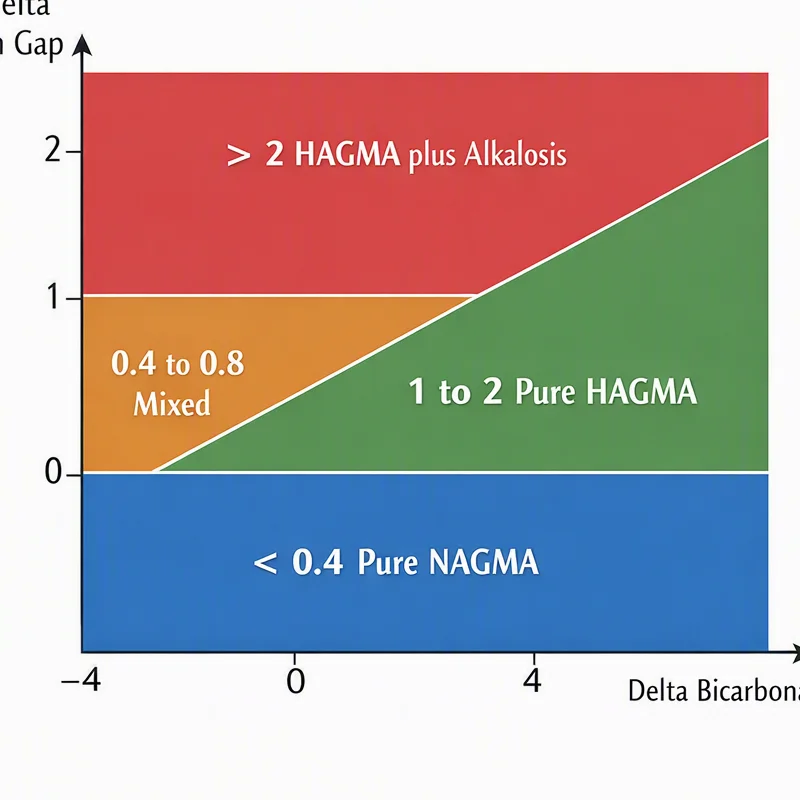
It can also help to know whether the laboratory uses direct or indirect ion measurement and whether the reported anion gap is based on a specific local reference interval. A calculator can do the arithmetic, but it cannot account for every nuance in the lab method or analyzer configuration.
For the best interpretation, use the calculator as a component of a broader review:
- Check sodium, chloride, and bicarbonate values. See if albumin is low and evaluate a corrected gap. Assess the local reference range and analyzer method. Read the number alongside symptoms, medications, and acid-base status.
This approach improves diagnostic accuracy and reduces overreaction to small method-related changes.
Frequent Errors and Misreads
One common pitfall is assuming that every change in the anion gap reflects a real physiologic shift. In reality, analytical variation and interlaboratory differences can explain some of the movement. If a patient’s labs come from different systems, a small discrepancy may reflect the measurement technique rather than the disease process.
Another frequent issue is the effect of normal saline. Large-volume saline administration can increase chloride and lead to hyperchloremia, which may reduce the anion gap. This is not a calculator error; it is a physiologic and treatment-related effect that can influence acid-base interpretation.
It is easy as well to overread a single value without factoring in albumin. A low albumin level can conceal an elevated gap, and overlooking a corrected gap can lead to missed acid-base disorders. Likewise, a normal result does not always exclude pathology if the method, specimen type, or reporting rules differ from prior measurements.
The key habit is to ask whether the finding is clinically significant. A minor change may have little meaning if the overall picture is stable. But a larger shift, especially one that aligns with symptoms or changing bicarbonate, may be highly relevant.
In short, the anion gap is useful, but it is not immune to method effects. Awareness of lab method, analyzer type, and reporting context improves interpretation and helps prevent misreads.
FAQ
Does the anion gap change depending on the laboratory method used?
Yes, it can. The anion gap can change depending on the lab method because different analyzers, calibration processes, and electrolyte measurement techniques can produce slightly different sodium, chloride, and bicarbonate values. Those small differences can alter the final calculation and affect interpretation.
Why do direct and indirect ISE methods affect electrolyte results differently?
Direct ISE measures ions in the undiluted sample, while indirect ISE measures after dilution. That difference can create method-related shifts in sodium and chloride values, especially when the sample matrix differs. Since the anion gap depends on those electrolytes, the final result may vary.
Should the anion gap be corrected for albumin every time?
Not every time, but albumin should be considered whenever it is abnormal or when the anion gap does not match the clinical picture. The albumin-corrected anion gap can improve interpretation, especially in patients with suspected acid-base disorders or low protein states.
What is a normal anion gap range, and does it vary by lab?
The normal range for the anion gap can differ by laboratory because the reference interval depends on the analyzer, measurement technique, and reporting method. Always use the laboratory’s stated reference range rather than relying on a single universal cutoff.
Can an anion gap calculator replace clinical judgment in acid-base interpretation?
Nope. An Anion Gap Calculator is valuable for quick arithmetic, but it cannot substitute for clinical judgment. Interpretation should include albumin, specimen type, laboratory reporting details, and the full acid base status. The calculator assists decision-making, but it does not provide the diagnosis by https://anion-gap-analyzer309.tearosediner.net/anion-gap-calculator-for-test-result-analysis itself.